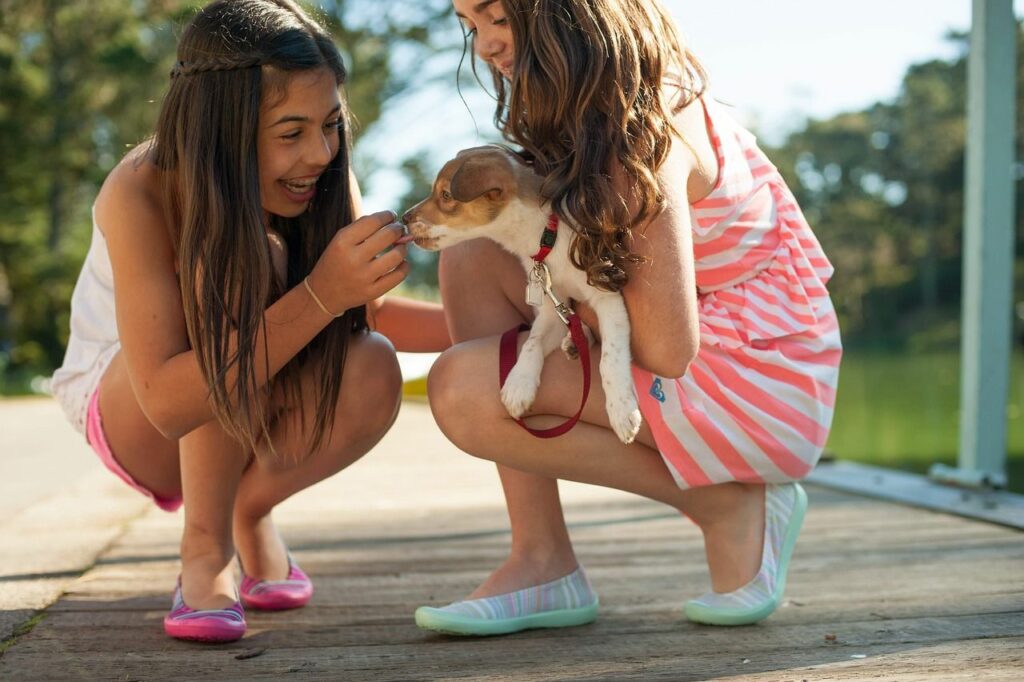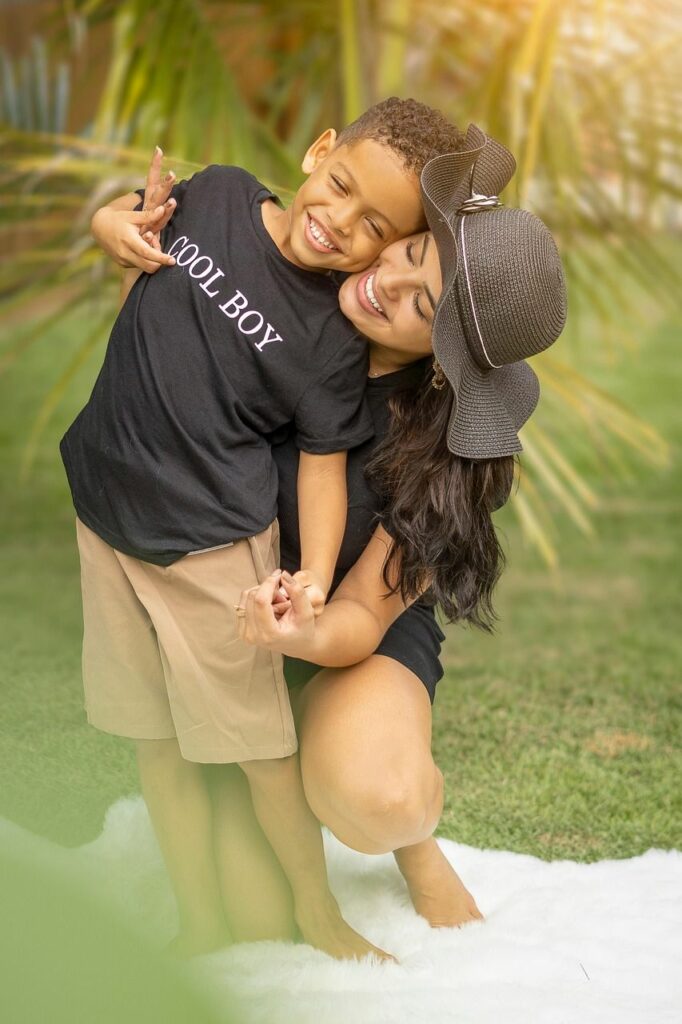
The best pet portraits rarely happen when a dog is told to sit for the tenth time or when a cat is placed somewhere unfamiliar and expected to cooperate. They happen in the in-between moments – a head tilt at the sound of your voice, a stretch in a favorite patch of light, the quick glance back toward the person they trust most.
That is why preparation matters. A thoughtful plan does not make a pet session feel stiff. It creates the conditions for photographs that feel relaxed, expressive, and true to your animal’s personality. If you are planning a session for your dog, cat, or another beloved companion, a few smart choices before the camera comes out can make the experience smoother for everyone.
Pet portrait session tips that make photos feel natural
The most helpful pet portrait session tips start with one idea: work with your pet, not against them. Animals do not perform on command in the same way people do, and the strongest images usually come from respecting their energy, attention span, and comfort level.
A pet who is anxious in crowded spaces may do far better in a quiet park at an off-hour than on a busy city street. A senior dog might need a shorter session with more breaks. A playful puppy may give you wonderful movement and expression early on, then lose focus quickly. There is no single perfect formula. The session should be shaped around the pet in front of the camera.
Choose a setting your pet can handle
A beautiful location only works if your pet can actually settle there. In New York City especially, it is easy to be drawn to dramatic backdrops, but noise, traffic, and heavy foot traffic can overwhelm some animals. If your dog is social and confident, an outdoor location can add energy and variety. If your cat is most at ease at home, an in-home session may lead to more authentic images.
Comfort should come before novelty. A familiar environment often produces softer expressions, calmer body language, and photographs that feel more personal. The setting becomes part of the story, not a distraction from it.
Time the session around your pet’s rhythm
Pets have good hours and not-so-good hours, just like children. Scheduling around your animal’s natural rhythm can make a visible difference in the final gallery. For many dogs, that means avoiding the period right before dinner if they tend to get restless, or planning after a walk so they are alert but not overexcited. For cats, it may mean choosing a quieter part of the day when the household is settled.
Lighting matters too, but it should be balanced with temperament. Soft morning or late afternoon light is often ideal, yet the best light in the world will not help much if your pet is tired, overstimulated, or ready for a nap.
How to prepare for a pet portrait session
Preparation does not need to be elaborate. It just needs to be intentional. The goal is to reduce stress and make it easier for your pet’s real personality to come through.
Start with grooming, but keep it natural. A brushed coat, clean eyes, and a tidy collar make a difference in polished portraits. That does not mean your pet should look overly styled unless that is truly your preference. Most owners want their animal to look like themselves on a very good day.
Bring a few high-value treats and one favorite toy. These are not bribes so much as tools for attention and reassurance. Treats can help redirect focus, while a toy can create perked ears or playful engagement. If your pet has dietary restrictions or gets overstimulated easily, that is worth planning around. Sometimes praise and a familiar voice work better than food.
It also helps to think about accessories ahead of time. A well-fitted collar or simple leash often photographs better than a bulky harness with lots of hardware, though safety always comes first. If your pet must stay leashed in a public area, that is completely fine. Professional editing can often refine minor distractions later, but a calm, secure pet is always more important than a perfectly invisible leash.
Keep your own outfit simple if you will be in the photos
Many pet owners decide midway through a session that they want a few images with their animal, and they are usually glad they did. If you think there is any chance you will step into frame, wear something comfortable, neutral, and easy to move in. Soft colors and clean lines tend to keep attention on connection rather than clothing.
The emotional value of these photographs grows over time. A portrait of your pet alone is beautiful. A portrait that shows your bond can become something even more lasting.
Give basic cues a quick refresh
You do not need a perfectly trained animal for strong portraits. In fact, some of the most memorable images come from spontaneity. Still, refreshing a few simple cues before the session can help. Sit, stay, come, and look are useful if your pet already knows them.
The key is not to drill. Too much practice right before a session can leave a dog mentally fatigued or frustrated. A light review in the days leading up is often enough.
What to expect during the session
A good pet session usually moves in waves. There may be a few directed moments to establish clean portraits, followed by looser time to capture movement, interaction, and personality. That rhythm gives space for both polished images and candid storytelling.
Patience is part of the process. Pets need moments to sniff, observe, reset, and decide that everything is fine. Rushing tends to create tension, and tension shows up immediately in ears, posture, and expression. When the pace feels calm, animals are more likely to offer the gestures owners love most.
Breaks are not wasted time. They are often what make the strongest images possible. A water break, a short walk, or a quiet minute beside you can help your pet return to the camera with a softer, more open energy.
Let personality lead the shot list
Some owners arrive with a very specific vision, and that can be helpful. Maybe you want one classic portrait looking at the camera, one playful action shot, and one image with the whole family. That said, the best galleries usually leave room for surprise.
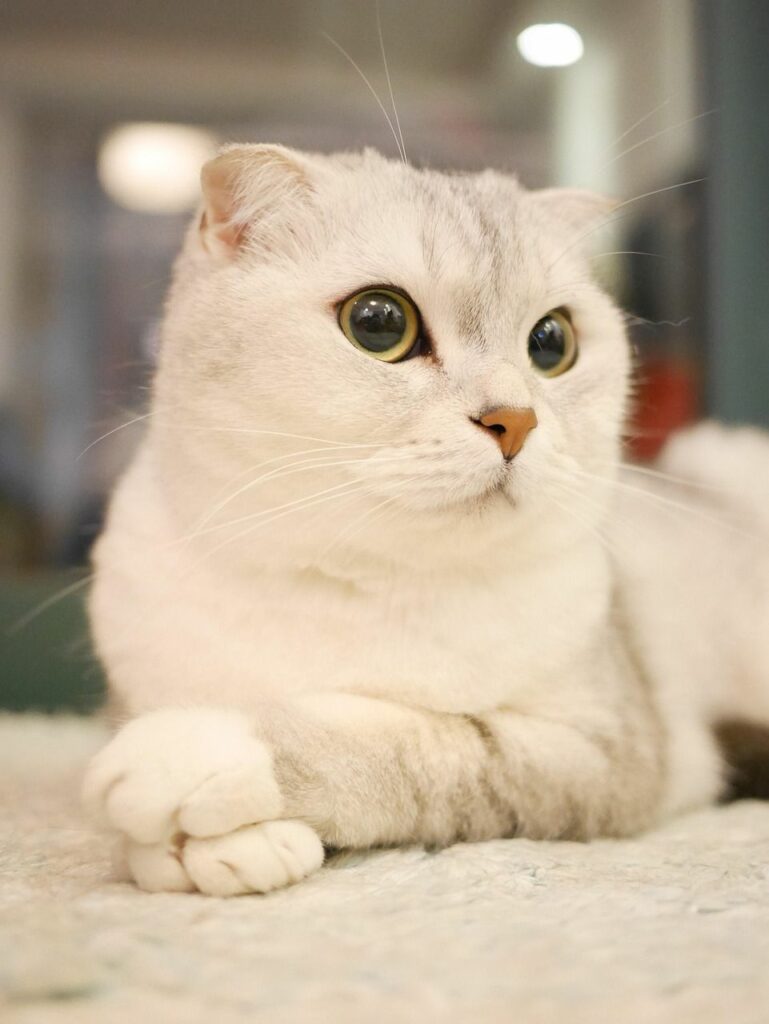
If your dog is known for a dramatic head tilt, that detail deserves attention. If your cat has a regal, observant personality and prefers stillness over play, there is no reason to force high-energy moments that do not fit. Portraiture becomes more meaningful when it reflects character rather than trend.
This is especially true for senior pets or animals with health limitations. Their sessions may be quieter, shorter, and more gentle. That does not make them less beautiful. Often it makes them more moving.
Small details that elevate pet portraits
The difference between a pleasant snapshot and a refined portrait often comes down to details. Background clutter, tangled leashes, mismatched accessories, and overstimulation can all pull attention away from the subject. A little editing helps, but thoughtful styling and planning do more.
Simple choices photograph beautifully. A clean bandana can work if it feels like your pet. A timeless collar is often better than something overly novelty-driven unless that playfulness is central to their identity. The same goes for props. If a tennis ball or favorite blanket means something real, it can add warmth. If it is included just because it is cute, it may not age as well.
Owners also matter more than they realize. Pets read your energy constantly. If you are tense, apologetic, or worried that your dog is not behaving perfectly, your pet will often mirror that stress. If you stay relaxed and trust the pace, they are more likely to settle too.
For that reason, it helps to choose a photographer who understands that pet sessions are part portrait, part observation. Technical skill matters, but so does the ability to read body language, adjust quickly, and create a calm experience. At Tempus Photography Studio, that balance is part of how we approach meaningful portrait sessions – with patience, care, and an eye for images that feel both polished and emotionally true.
When things do not go exactly to plan
Almost every pet session includes an unexpected moment. A dog gets distracted. A cat disappears under the bed for ten minutes. A planned pose simply does not happen. That does not mean the session is failing.
Often, flexibility leads to better photographs than the original idea. When expectations loosen, there is more room to notice what your pet is naturally offering. The result may be less controlled, but often more memorable.
If you are preparing for a pet portrait session, aim for readiness, not perfection. Bring patience, a little humor, and a genuine sense of affection for the animal you are photographing. That is what the camera responds to most clearly. The goal is not just to capture what your pet looks like. It is to preserve something of who they are, while they are right here with you.