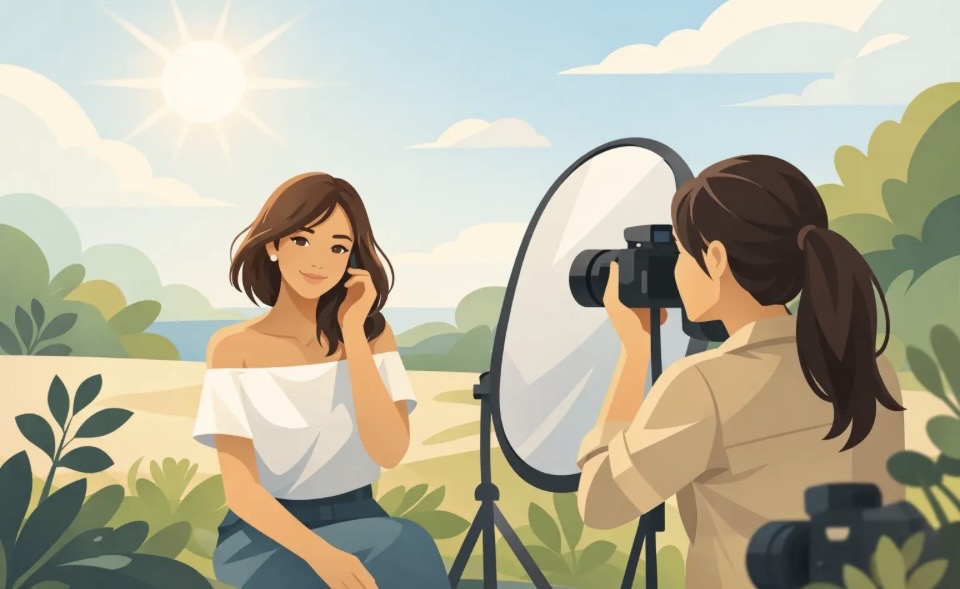
A great portrait can change completely when someone takes two steps closer to a window.
That is the quiet power of natural light. It does not just brighten a face. It shapes mood, softens skin, reveals texture, and gives a portrait the kind of ease people often describe as real. For families, couples, parents-to-be, and anyone marking an important season of life, that quality matters. You want photographs that feel polished, but never forced.
Natural light portrait photography is often associated with simplicity, but it is not accidental. The most refined natural-looking portraits come from careful observation, thoughtful placement, and a clear understanding of how light behaves at different times of day. When used well, it creates images that feel timeless rather than trendy.
Why natural light portrait photography feels so timeless
Natural light tends to flatter in a way people instinctively respond to. Soft window light, open shade in a park, or the warm glow of late afternoon all create dimension without making a portrait feel overly staged. That balance is especially valuable for milestone photography, where emotional authenticity matters as much as technical quality.
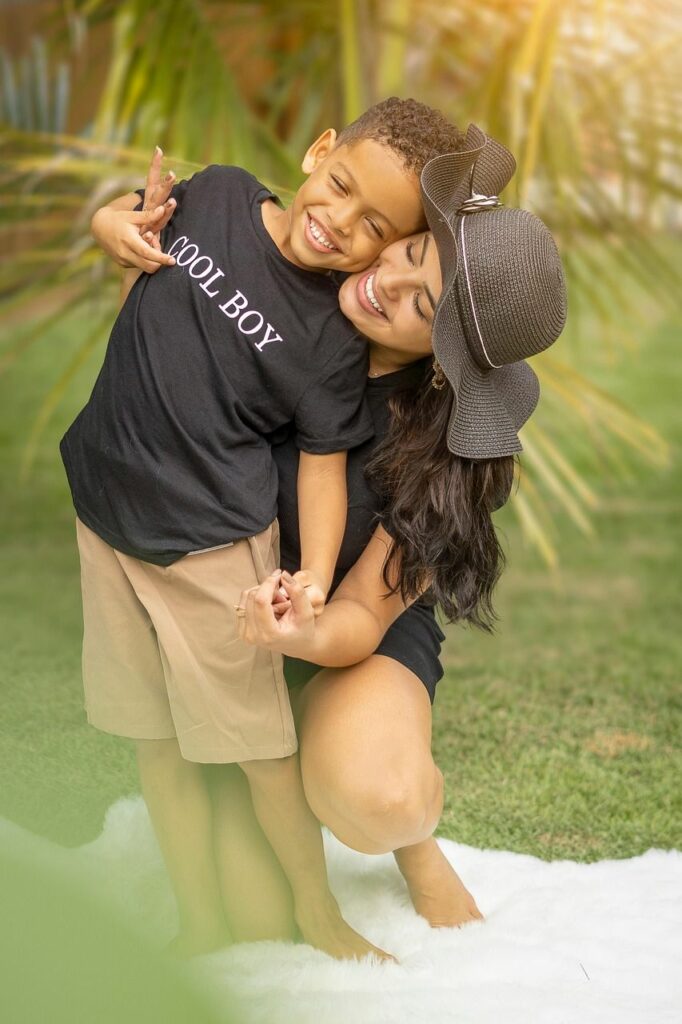
There is also a psychological side to it. Most people feel more relaxed in environments lit by daylight than under obvious studio lighting. That comfort often shows up in expression, posture, and eye contact. A couple settles into each other more naturally. A child moves more freely. A parent holding a newborn appears calmer and more present.
Of course, natural light is not always easier. It changes quickly, and it does not wait while a photographer adjusts a setup. The trade-off is control. Artificial lighting offers consistency and precision, while natural light offers atmosphere and spontaneity. In portrait work, the right choice depends on the setting, the subject, and the story the images are meant to tell.
The best natural light is rarely the brightest
A common misconception is that more sun means better portraits. In practice, harsh midday sunlight can create deep eye shadows, bright hotspots on skin, and squinting that is difficult to hide. Bright light can work, but usually only when it is filtered or carefully redirected.
The most forgiving light is often indirect. Think of a north-facing window, an overcast afternoon, or a shaded area beside a building. This kind of light wraps gently around the face and keeps skin tones even. It also gives a photographer more flexibility when guiding clients into flattering positions.
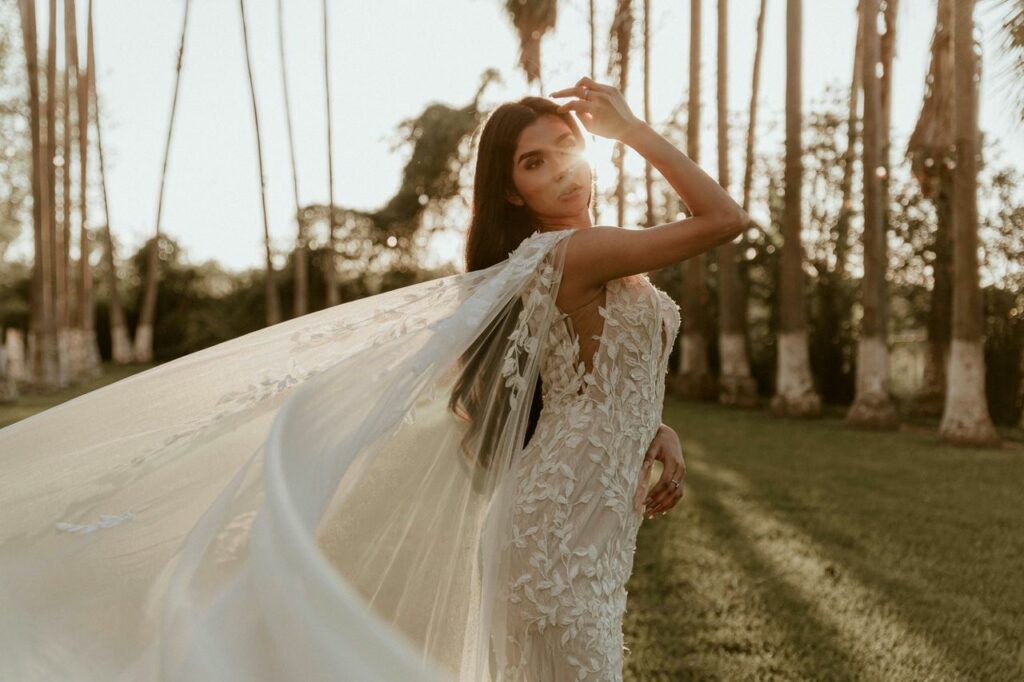
Golden hour gets a lot of attention for good reason. The light is lower, warmer, and less intense, which can add softness and depth to portraits. Still, it is not the answer for every session. If a family is working around a toddler’s schedule, or an indoor branding session needs a brighter, cleaner look, earlier daylight or window light may be the better fit. Beautiful natural light portrait photography is less about chasing one ideal moment and more about using the available light well.
How photographers shape light without making it feel artificial
Natural light photography still involves direction. A photographer is making constant choices about angle, distance, background, and exposure to get the most from what is already there.
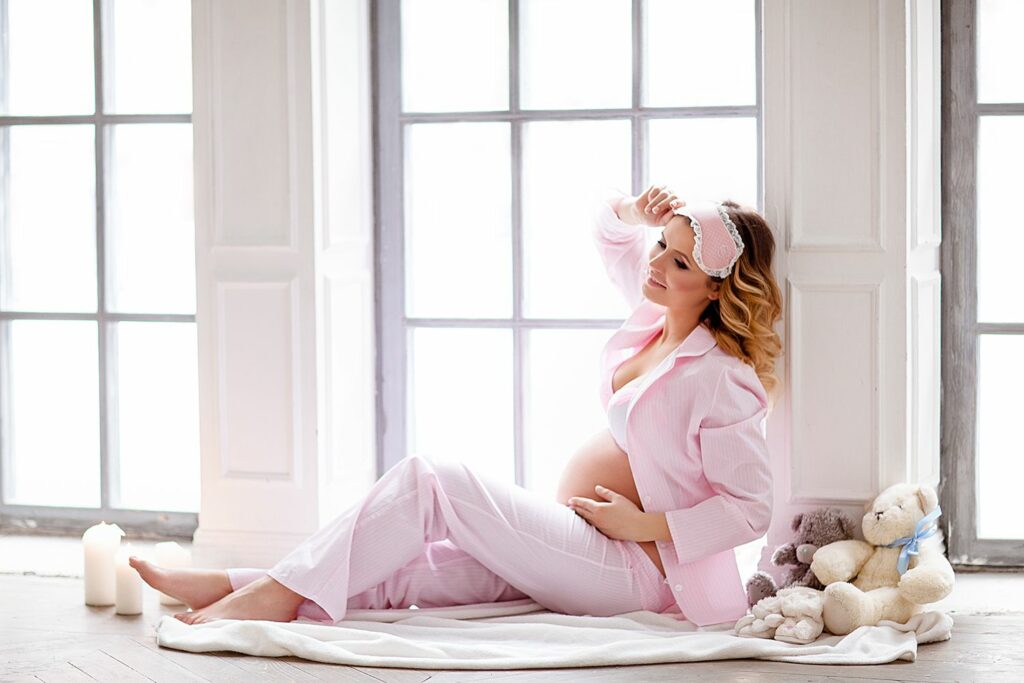
Window light is one of the clearest examples. If a subject stands facing directly into a large window, the result is usually soft and open. If they turn slightly to one side, the light begins to sculpt the face, creating gentle shadow and depth. Move them farther from the window, and the light becomes moodier. Bring in a sheer curtain, and the highlights become even softer.
Outdoors, the same principle applies. Open shade can act almost like a giant softbox, especially near a bright street, pale wall, or reflective sidewalk. In New York City, even dense urban blocks can offer beautiful portrait light when a photographer knows where to look. A quiet patch of shade between buildings, a tree-lined path, or the glow bouncing off stone architecture can all become part of the composition.
This is where experience matters. Good natural light work is not about letting the environment decide everything. It is about noticing subtle changes and adjusting quickly so the final image still feels intentional and elevated.
Natural light portrait photography for different sessions
Different portrait sessions ask different things from light. The approach that works for an engagement session may not be the best one for a newborn portrait.
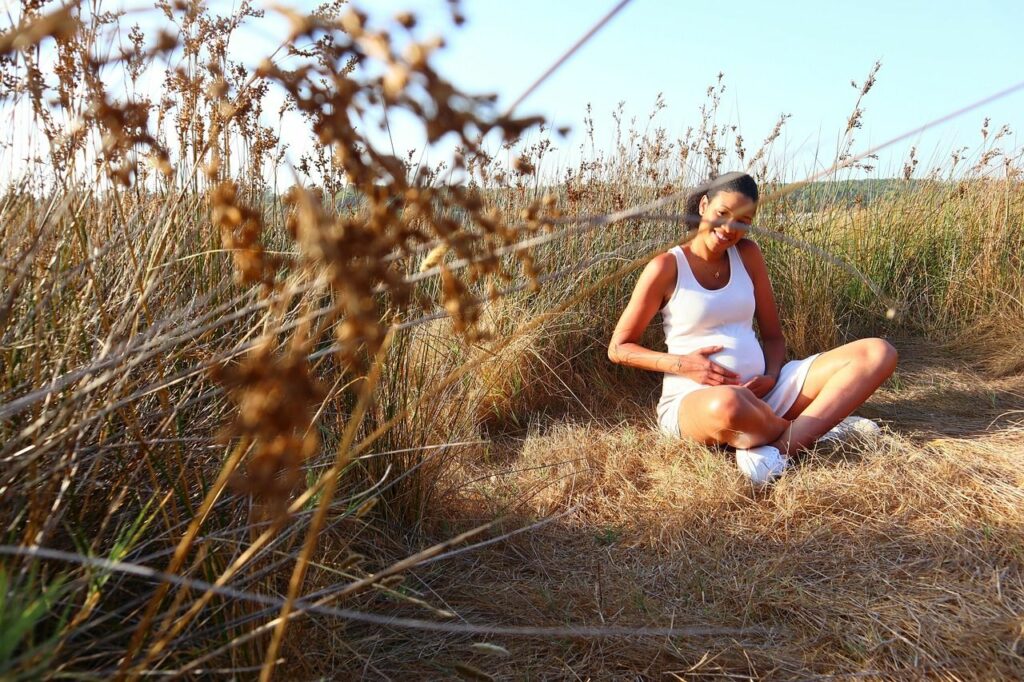
For maternity photography, soft directional light is often ideal because it highlights shape in a graceful, understated way. It adds dimension without becoming dramatic for drama’s sake. A calm indoor setting near a large window can feel intimate and elegant, while an outdoor session near sunset can create warmth and movement.
For newborn and baby portraits, gentler light is usually the priority. Babies photograph beautifully in diffused daylight because it preserves delicate skin tones and keeps the mood peaceful. Strong contrast can feel too sharp for this kind of work unless a family specifically wants a more editorial look.
Couples and engagement sessions often benefit from a mix of candid motion and lightly guided posing, and natural light supports both. It allows the session to breathe. Walking, laughing, leaning in, or simply pausing together can all look effortless when the light feels believable.
For professional portraits or brand storytelling, it depends on the goal. Some clients want a clean, airy look that feels approachable. Others want more contrast and structure. Natural light can do both, but it requires planning around location and timing. A polished result does not happen by chance.
What clients can do to help the light work in their favor
Clients do not need technical knowledge to photograph well in natural light, but a few choices can make a noticeable difference.
Clothing matters. Soft neutrals, rich solids, and gentle textures tend to photograph beautifully because they do not compete with the light. Extremely bright neon tones or highly reflective fabrics can bounce unwanted color onto skin or pull attention away from expression.
Timing matters too. If a session is scheduled outdoors, being open to the photographer’s recommended start time can improve the final gallery more than almost anything else. That might mean early morning for a quieter park, or later evening for softer light. For indoor sessions, it can mean working during the hours when the space receives the best daylight.
The biggest help, though, is trust. People often worry about where to stand, what to do with their hands, or whether they look natural. A thoughtful photographer is paying attention to all of that already, including how the light is falling across the face and body. The goal is not to leave everything candid and hope for the best. It is to create space for genuine moments while offering enough direction to make those moments photograph beautifully.
When natural light is not the best choice
There are times when natural light is not enough on its own, and acknowledging that is part of doing this well. A dark event venue, a rainy day with limited indoor window light, or a fast-moving evening celebration may call for supplemental lighting. That does not mean the final images will feel less natural. It simply means the photographer is using the right tools to preserve the atmosphere and the people in it.
The best portrait experience is rarely about following one lighting philosophy at all costs. It is about choosing what serves the subject and the moment. At Tempus Photography Studio, that often means blending an eye for authentic daylight with the technical judgment to adapt when conditions shift.
The real goal is not perfect light
Perfect light is lovely when it appears, but it is not the reason people return to a portrait years later. They return to how it felt. The softness of a hand on a shoulder. The calm confidence in a new mother’s expression. The way a couple looks at each other when they forget the camera is there.
Natural light supports that kind of portraiture because it feels close to real life, only more refined. It helps preserve emotion without stripping away artistry. And when it is used with care, it gives people something they are actually looking for – photographs that feel honest, flattering, and lasting.
If you are planning a portrait session, the best starting point is not asking for a certain style of light. It is choosing a photographer who knows how to see it, shape it, and use it in a way that still feels like you. That is where timeless images begin.